Amish Raj Mulmi

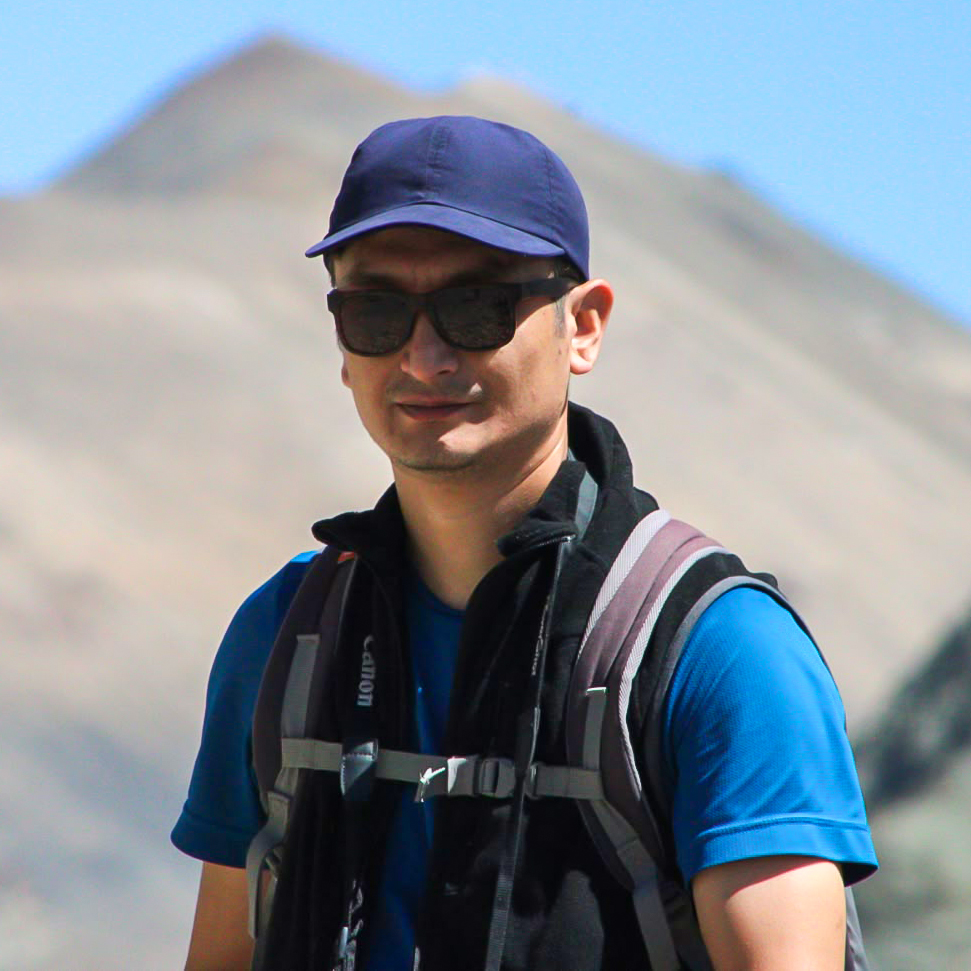
About the Author

His first book, All Roads Lead North (Context India/Hurst UK/Oxford University Press US), was selected by the Guardian as Books that explain the World in 2021. His essays and reportage have appeared in the New York Review of Books, Al Jazeera, History Today, Engelsberg Ideas, Hindustan Times, Mint Lounge, and Third Pole, among others.

His writing on Nepal's politics, geopolitics, and history has also been published by the Carnegie Endowment for International Peace, including analyses of Nepal's 2025 Gen Z-led protests and the political generational shift that followed. He was previously a columnist for The Kathmandu Post for five years (2018–2022). His essays have been featured in Himalayan Arc: Journeys South of South-East (HarperCollins India), Shared Bonds, Strategic Interests: India-Nepal Relations in a Turbulent World (S&S India) and Where the Gods Dwell: Thirteen Temples and their (Hi)stories (Westland India).

He is a contributing editor at Himal Southasian and a visiting fellow at Centre for Social Innovation and Foreign Policy. He is also consulting editor at Writer's Side Literary Agency.

Amish New Photo copy

Books

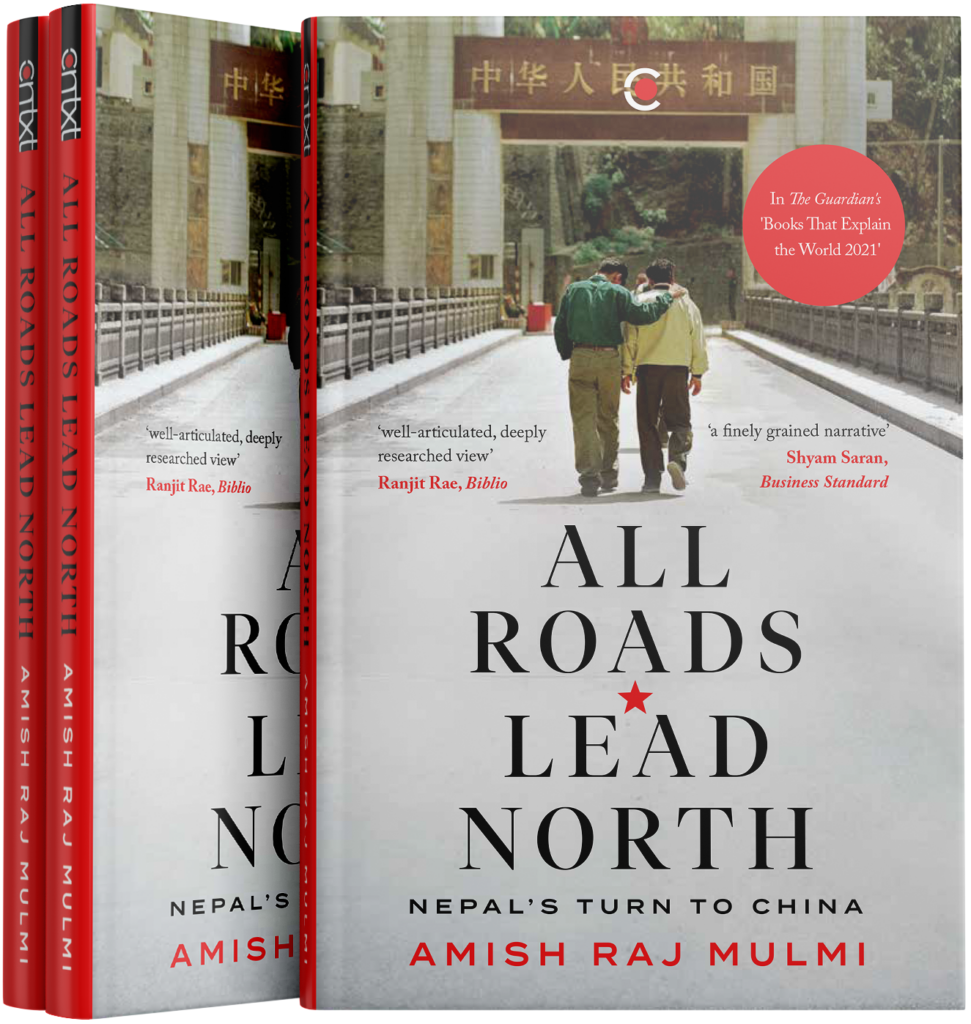
All Roads Lead North

All Roads Lead North

A DEEPLY RESEARCHED NARRATIVE THAT GOES AGAINST THE GRAIN OF MAINSTREAM NARRATIVES ON NEPAL.

Read about the book

In the June 2020 territorial dispute over Kalapani, India was faced with a newly assertive Nepal, and blamed the latter’s deepening relations with China for the tension. But beyond the accusations and the grandstanding, there was a new reality to reckon with: the power equations in South Asia had been redrawn to make space for China.

Nepal did not turn northwards overnight, however. For one, Nepal–China ties have deep historical roots built on Buddhism, going as far back as the early first millennium. For another, while the 2015 unofficial Indian blockade had provided momentum to the rift, the Himalayan nation had long wanted greater ties with its northern neighbour to counteract India’s oppressive intimacy. With China’s growing ambitions, both globally and in South Asia, Nepal now has a new primary bilateral partner—and Nepalis are forging a path towards modernity with its help, both in the remote Himalayan borderlands and in the cities.

All Roads Lead North is the long view on Nepal’s foreign relations, as well as the story of China as a global power in the twenty-first century. With never-before-told stories about Tibetan guerrilla fighters, failed coup leaders and trans-Himalayan traders, this book examines the histories that tie remote Himalayan communities to each other. Part historical study, part journalistic account and all of it rigorously researched, Nepal analyst Amish Raj Mulmi writes a new, complex and compelling account of a small country caught between two neighbourhood giants.


Praise for All Roads Lead North

‘A finely grained narrative’

— Shyam Saran, former foreign secretary, India

‘Introduces readers to Nepal anew’

— Manjushree Thapa, author

‘Required reading’

— Srinath Raghavan, historian

‘Captures the growing influence of China on this liminal mountain republic caught between India and China.’

— Aatish Taseer, author

‘A must-read for both the expert and the lay reader’

— Manjeev Singh Puri, former Indian Ambassador to Nepal

‘[A] marvellously accessible work of scholarship’

— Omair Ahmad, novelist

‘A great contribution to Himalayan writings.’

— Sujeev Shakya, author

‘Mulmi’s detailed look at Nepal’s long encounter with Tibet and China is leavened with personal experiences’

— The Guardian

‘Deftly shows how people navigate ideas of identity and the marketplaces of the Himalayas.’

— Asian Review of Books

‘An extremely useful guide to China’s strategy throughout Asia and holds clear clues to how its future will unfold.’

— Engelsberg Ideas

‘A book with a long shelf life’

— The Hindu

‘A book that is part travelogue, part history, and part foreign policy analysis’

— Foreign Affairs

‘Displays an incredible attention to detail’

— International Affairs